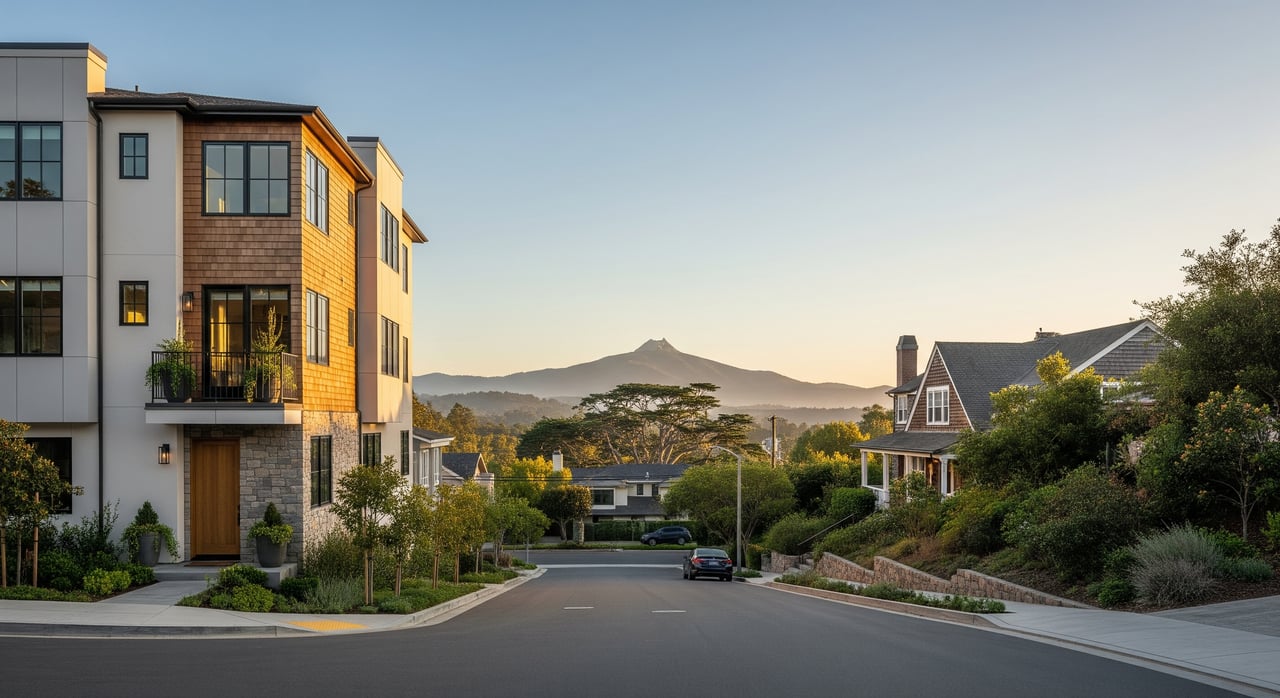
Trying to decide between a townhome and a single-family home in Corte Madera? You’re not alone. In a high-price, low-inventory market, the right fit comes down to how you want to live and what you want to spend each month. This guide breaks down total cost, lifestyle tradeoffs, location factors, and resale considerations so you can buy with confidence. Let’s dive in.
Corte Madera market at a glance
Corte Madera sits in Marin County, where prices are high and inventory is tight. Well-priced homes draw strong competition, so a townhome or condo often serves as a more budget-friendly entry point than a detached home. The exact gap varies by block, condition, views, and flood exposure.
Parts of the town are low-lying near Corte Madera Creek and Richardson Bay. Flood risk and long-term sea-level rise planning matter for your insurance, lending, and resale strategy. California’s Prop 13 sets a 1 percent base levy on assessed value plus voter-approved assessments, and reassessment occurs at sale, so purchase price drives your tax bill.
The true cost of ownership
Think in terms of total monthly occupancy cost. Add mortgage, HOA dues if any, insurance, estimated maintenance, utilities, and any flood insurance.
Purchase price and entry cost
- Townhomes and condos typically list for less than detached homes because they include less land. That makes them a common entry point.
- Always compare on price per square foot and on total monthly cost, not price alone.
HOA dues and coverage
- Townhome and condo dues often cover common area upkeep, exterior building insurance, landscaping, and sometimes water or garbage.
- Single-family homes often have no HOA. You budget and schedule all exterior work.
- The tradeoff: predictable dues and less hands-on work vs less control and potential special assessments if reserves are thin.
Property taxes
- Both property types follow the same Prop 13 rules. Your tax bill mainly follows your purchase price and any local assessments.
Insurance and flood exposure
- Townhome and condo owners usually carry an HO-6 policy for interiors and personal property. The HOA carries the master policy for the exterior.
- Single-family owners insure the entire structure and outbuildings.
- If a property is in a flood zone, you may need flood insurance. Verify elevation, flood zone, and coverage availability early.
Maintenance and capital items
- Single-family: You are responsible for roof, siding, paint, fencing, and landscaping. Budget for ongoing upkeep and future replacements.
- Townhome and condo: The HOA handles many exterior items, but you manage interiors and any limited-use areas. The big variable is the risk of special assessments if reserves are low.
Utilities, parking, and amenities
- Some HOAs include water or garbage. Single-family owners pay all utilities.
- Townhomes often have assigned parking or tandem garages. Detached homes usually offer private garages and driveways.
- HOA amenities like pools or gyms can add value if you will use them, and they are part of the dues you pay.
Lifestyle and daily living tradeoffs
Privacy and control
- Single-family homes offer more privacy, space from neighbors, and control over exterior choices.
- Townhomes share walls and follow HOA rules. Expect limits on exterior modifications, paint colors, and sometimes pets.
Outdoor space and gardening
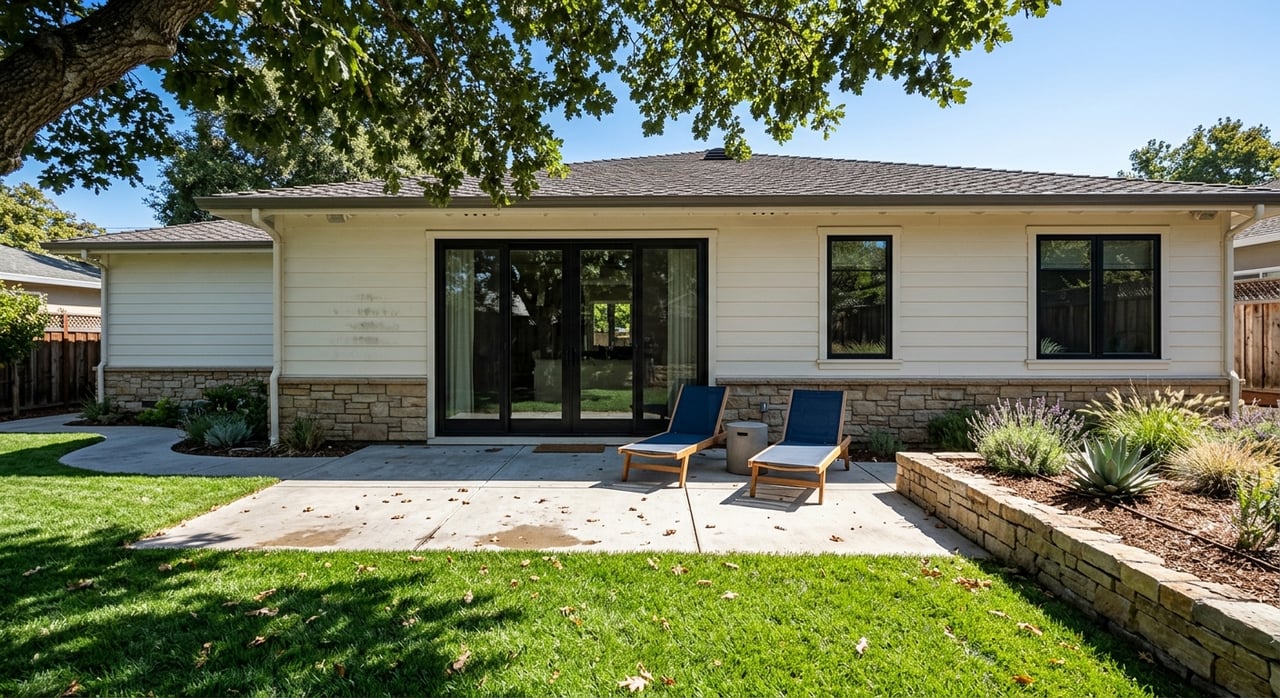
- Single-family homes usually provide larger yards, gardening space, and room for additions or ADUs, subject to permits.
- Townhomes tend to have small patios or shared green spaces, which can be simpler to maintain.
Time and maintenance burden
- Townhomes reduce hands-on exterior work if the HOA covers landscaping and major systems.
- Single-family homes require more time or contractor coordination for yard care and upkeep.
Pets, kids, and routines
- If you need a yard for play, pets, or gatherings, a single-family home is often the better fit.
- If you value low-maintenance living and walkability, a townhome can be ideal.
Accessibility and aging in place
- Some townhomes or condos offer ground-floor living or elevators.
- Many single-family homes can be retrofitted. Consider stairs, garage access, and proximity to services.
Location within Corte Madera
Town Center and retail corridors
- Character: Walkable to shopping, restaurants, and transit. More attached housing options.
- Best for: Buyers who prioritize convenience, low maintenance, and commute access.
Interior residential streets
- Character: Established single-family parcels, tree canopy, and quieter blocks.
- Best for: Buyers seeking privacy, yard space, and room for gardening or expansion.
Marshfront and low-lying areas
- Character: Mix of attached and detached homes near Corte Madera Creek and Richardson Bay. Views and outdoor access come with flood considerations.
- Best for: Buyers who understand flood insurance, mitigation, and long-term planning. Always verify elevation and flood zone.
Resale, financing, and liquidity
Resale patterns
- Detached homes generally hold strong value due to land scarcity and demand for private yards.
- Well-located townhomes can sell quickly in Marin’s tight market. Over longer horizons, single-family homes often benefit more from land value.
Buyer pools
- Townhomes: Appeal to first-time buyers, professionals, downsizers, and some investors, subject to HOA rental rules.
- Single-family: Draw families, buyers who want outdoor space, and those seeking expansion potential.
Financing factors
- Condos and some townhome projects may require project approval for certain loan programs. Gather HOA documents early.
- Lenders count HOA dues in your debt-to-income ratio. That affects what you can afford per month.
HOA governance and friction
- Healthy reserves, clear rules, and no litigation support value and easier lending.
- Review budgets, reserve studies, meeting minutes, and any special assessment history before you commit.
Who is best served by each
Townhome or condo is a fit if you:
- Want a lower entry price into Corte Madera.
- Prefer low-maintenance living and predictable monthly costs.
- Value walkability and quick access to retail or US 101.
- Are downsizing or want a lock-and-leave setup.
Single-family is a fit if you:
- Need a yard for play, pets, and outdoor living.
- Want privacy and control over exterior choices.
- Plan to add value with improvements or an ADU, subject to permits.
- Prefer to avoid HOA rules and assessments.
Due diligence checklist
For townhomes and condos
- HOA documents: CC&Rs, bylaws, rules, and recent meeting minutes.
- Financials: Current budget, reserve study, balance sheet, and history of assessments.
- Insurance: Master policy coverage, owner HO-6 needs, and deductibles.
- Litigation: Any pending lawsuits involving the HOA or developer.
- Rental rules: Restrictions on leasing or short-term rentals.
- Inspections: Pest and structural items affecting shared walls and roofs.
- Parking and storage: Confirm assigned spots and guest parking.
For single-family homes
- Structure: Roof, foundation, exterior systems, drainage, and grading.
- Site issues: Trees, fences, and retaining walls.
- Flood risk: FEMA zone, elevation certificate, and past events.
- Utilities: System locations and service history.
- Potential: Zoning, ADU options, and permit history.
For both property types
- Comparable sales and days on market for similar homes.
- Property tax history and any supplemental assessments.
- School district boundaries and local services.
- Commute times and possible noise from US 101 or other sources.
- Insurance availability for homeowner and flood coverage.
How to compare two homes side by side
Use a simple, apples-to-apples worksheet.
- Estimate mortgage payment at your target rate and down payment.
- Add HOA dues if applicable.
- Add homeowner insurance and flood insurance if needed.
- Add an estimated monthly maintenance reserve. For single-family, this is higher.
- Add average utilities. If an HOA covers water or garbage, adjust accordingly.
- Consider parking costs if you rely on off-site or paid options.
- Review all-in monthly cost and weigh it against your lifestyle priorities.
The bottom line for Corte Madera buyers
Townhomes usually deliver a lower entry price and less hands-on work, with HOA dues and rules as the tradeoff. Single-family homes deliver privacy, outdoor space, and control, with higher purchase prices and more ongoing maintenance. In Corte Madera, flood exposure, location near Town Center and US 101, and HOA financial health can outweigh the usual assumptions. Focus on total monthly cost and on how you want to live day to day.
If you want help comparing specific homes or reading HOA documents, reach out to Jennifer Bowes for local guidance tailored to your goals.
FAQs
What costs do I include beyond the mortgage when buying in Corte Madera?
- Include HOA dues if any, homeowner and flood insurance, estimated maintenance, utilities, and any local assessments in addition to your mortgage.
How do HOA dues affect what I can afford?
- Lenders count dues in your monthly obligations, which can reduce your maximum loan amount even if the purchase price is lower.
Are townhomes always cheaper than single-family homes in Corte Madera?
- Often yes, but not always. Condition, views, location, and flood exposure can narrow or widen the gap. Compare total monthly cost, not price alone.
What flood checks should I do before I write an offer?
- Verify FEMA flood zone, request any elevation certificate, confirm insurance availability, and ask about past flood events or mitigation work.
How do HOAs impact resale for townhomes and condos?
- Strong reserves, clear rules, and no litigation support buyer demand and lending. Low reserves or frequent assessments can slow sales and reduce appeal.
Which property type is better for downsizing in Corte Madera?
- Many downsizers prefer townhomes for low maintenance and walkability, but a smaller single-family home can work if you want a private yard and more control.
What should families prioritize when choosing between the two?
- Focus on yard needs, outdoor play space, commute, daily routines, and total monthly cost. Confirm school boundaries and proximity to activities.