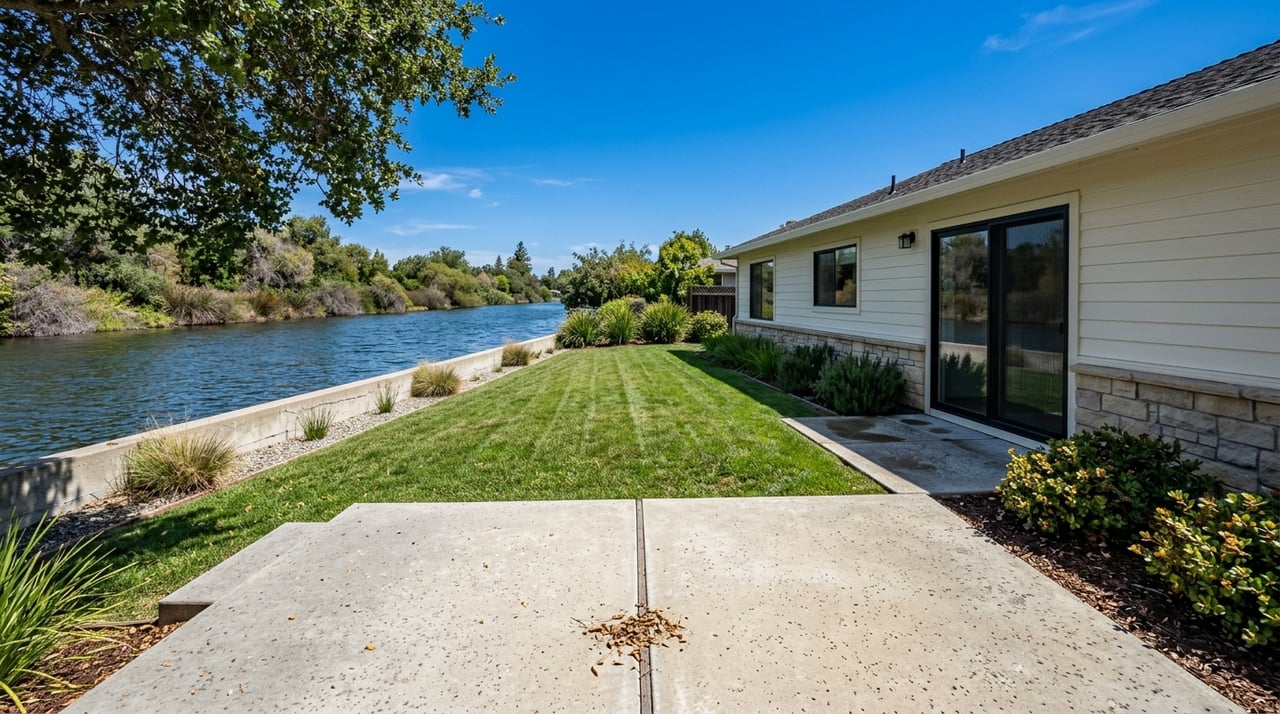
If you picture all waterfront living in San Rafael the same way, you may miss the neighborhoods that actually fit your lifestyle best. Some parts of the shoreline feel urban and active, while others feel quieter, more residential, and closely tied to trails, marinas, lagoons, and open space. If you are exploring a move or preparing to sell, understanding that spectrum can help you make a smarter decision. Let’s dive in.
San Rafael waterfront is not one thing
Waterfront and bay-adjacent living in San Rafael spans several distinct settings. The City of San Rafael’s neighborhood and waterfront planning materials show a mix that includes the Canal and San Rafael Channel, Southeast San Rafael neighborhoods like Baypoint Lagoons and Spinnaker Point, and bay-edge areas such as Peacock Gap and Loch Lomond.
That matters because each area offers a different day-to-day experience. In simple terms, you can think of San Rafael’s shoreline as three broad categories: canal edge, bay edge, and lagoon edge. Each one shapes housing, views, access, and even how you use the outdoors.
Canal living offers an urban waterfront feel
The Canal and San Rafael Channel feel more like an urban waterfront than a resort-style shoreline. The City describes the channel as supporting marine-related activity, public-safety functions, and a regional business district, which gives this area a more active and working-waterfront identity.
This part of San Rafael is also evolving. In 2025, the City acquired 620 Canal Street, a former boatyard, for a future waterfront park and a possible pedestrian-bicycle bridge landing. The project is intended to improve walking and biking access to schools, transit, and shopping north of San Rafael Creek.
From a buyer or seller perspective, that means the Canal is not just about being near the water. It is also about access, planning, and long-term public investment. The Canalfront Review Overlay District further signals that this shoreline is treated as a special planning area.
Housing in the Canal
The Canal stands out as San Rafael’s most urban, rental-oriented shoreline area. Marin County describes it as a neighborhood originally developed in the 1950s with studios and small apartments, rather than primarily family houses.
Today, that history still shapes the housing mix. If you are searching here, you should expect a denser setting and a stronger multifamily presence than in the more suburban bay-edge neighborhoods. If you are selling, that context helps frame the buyer pool and the lifestyle your property is likely to attract.
Southeast San Rafael gives you more housing variety
Southeast San Rafael includes a dense cluster of bay-adjacent neighborhoods. The City’s neighborhood directory includes Baypoint Lagoons, Peacock Gap, Loch Lomond, and Spinnaker Point, while county housing analysis groups Bay Pointe, Spinnaker Point, and the Canal into Southeast San Rafael.
What makes this area useful for buyers is the range of housing types. State housing materials describe Southeast San Rafael as predominantly multifamily, while also including townhomes, single-family homes, duplexes, and other housing types. So if you want water adjacency without committing to one specific home style, this part of San Rafael gives you more options.
Baypoint and Spinnaker Point feel mixed and practical
Baypoint and Spinnaker Point are good examples of that middle ground. They are generally denser than classic Marin subdivisions, but they are not limited to apartment living.
Instead, these neighborhoods reflect a mix of attached and detached homes. For some buyers, that can mean a more accessible path into a water-adjacent location. For sellers, it means your home may compete within a broader product mix, so careful positioning matters.
Peacock Gap feels like classic shoreline suburbia
If you are drawn to a more traditional residential setting near the bay, Peacock Gap is one of the clearest examples in San Rafael. The Federation of San Rafael Neighborhoods describes it as a quiet neighborhood of mid-century modern and ranch-style homes surrounding the golf course, with larger estate homes added later.
The Bay curves around Peacock Gap on three sides, which helps define its setting. That geography creates a neighborhood experience shaped by lagoon edges, golf-course surroundings, and broad bay views rather than urban waterfront activity.
What buyers often like about Peacock Gap
Peacock Gap offers a roomy, landscaped, and more private feel than denser shoreline districts. The neighborhood association notes patio-and-deck outdoor living, golf-course settings, lagoon views, and bay views as part of the everyday environment.
That does not mean every home has the same relationship to the water. But it does mean the broader setting often appeals to buyers who want scenic residential surroundings and a more suburban pace.
Loch Lomond connects homes and marina life
Loch Lomond offers one of the strongest marina-oriented lifestyles in San Rafael. The City’s general plan describes the neighborhood as primarily developed with single-family homes on hillside lots or lots along the Bay, while the marina area includes boat slips, a yacht club, a public boat-launching facility, boat storage, and a restaurant.
That combination gives Loch Lomond a distinct identity. It is one of the few places in San Rafael where bay-adjacent living and marina access are clearly part of the same story.
Everyday life in Loch Lomond
The neighborhood association describes the residential section as a short walking distance from San Rafael Bay. It also highlights appeal for boating, kayaking, paddle boarding, kitesurfing, hiking, and bird life.
For buyers, that suggests a lifestyle built around regular outdoor use, not just occasional scenic views. For sellers, it helps explain why the neighborhood can attract people who prioritize water access and recreation as part of daily life.
Waterfront life here is about repeatable outdoor access
One of the best ways to understand bay-adjacent living in San Rafael is to look at how people use the shoreline. This is not just a views-from-the-house story. It is also about easy, low-friction outdoor routines.
Jean and John Starkweather Shoreline Park features a shoreline pathway with picnic tables and benches along San Francisco Bay, and it is ADA accessible. McNears Beach Park sits in a sheltered cove along San Pablo Bay and offers easy carry-in access for kayaks and canoes, plus designation as a San Francisco Bay Area Water Trail trailhead.
Those public spaces point to a practical kind of waterfront lifestyle. You may be able to work in a shoreline walk, launch a kayak, or spend time outdoors without planning a full-day outing.
China Camp expands the outdoor picture
China Camp State Park adds another dimension to waterfront living in San Rafael. California State Parks describes it as a 1,514-acre park along the shoreline of San Pablo Bay with panoramic views, oak woodlands, and more than 100 acres of protected tidal salt marsh.
The park supports boating, boat ramps, a beach area, swimming, fishing, hiking, and interpretive history at the former fishing village site. The City also highlights kayaking, canoeing, paddle boarding, swimming, hiking, running, and biking there.
For many buyers, this helps answer an important question: what will life near the bay actually feel like? In San Rafael, it often looks like frequent outdoor use, scenic movement through open space, and easy access to shoreline recreation.
Practical issues matter near the bay
Water access and views are appealing, but practical details matter too. In San Rafael, flooding and sea-level rise are real planning considerations in low-lying areas.
The City states that many areas in San Rafael are increasingly vulnerable to flooding. Marin County’s consolidated plan describes the Canal as one of the county’s most vulnerable communities, noting its flood history and the added challenge of fill or subsided land near the creek or bay.
Flooding and adaptation planning
The City is actively working on Canal District sea-level rise adaptation planning. That is important because it shows the issue is not theoretical.
If you are buying near the water, this is part of your due diligence picture. If you are selling, it is one more reason to present your property clearly and help buyers understand the setting, improvements, and planning context.
Permits can be more complex
Waterfront remodeling may involve added review. San Rafael’s permitting rules say a watercourse permit is needed for work on structures within 15 feet of a watercourse, and a tideland permit is required for certain work involving tidelands, shorelines, waterways, canals, beaches, or salt marshes below the specified tidal elevation.
The City also identifies a Wetland Overlay District and a Canalfront Review Overlay District. In practical terms, that means a shoreline property may come with more design and permit complexity than a comparable inland home.
What this means for buyers and sellers
The most helpful way to think about waterfront and bay-adjacent living in San Rafael is as a spectrum. At one end, the Canal offers an active, evolving, urban waterfront. In the middle, areas like Baypoint and Spinnaker Point offer a mixed housing environment near the bay. At the other end, Peacock Gap and Loch Lomond offer a more classic Marin shoreline-suburban experience.
If you are buying, the right fit depends on what matters most to you. You may want marina access, a quieter residential setting, a multifamily option near the shoreline, or a home base that makes it easy to get outside.
If you are selling, understanding that spectrum helps you position your home more accurately. Buyers respond best when they understand not only the property itself, but also how the neighborhood connects to everyday life near the water.
Whether you are comparing neighborhoods or planning your next move, local context makes all the difference. If you want help evaluating waterfront and bay-adjacent opportunities in San Rafael, connect with Jennifer Bowes for thoughtful, local guidance.
FAQs
What does waterfront living in San Rafael usually look like?
- In San Rafael, waterfront living ranges from the urban Canal and San Rafael Channel to mixed bay-adjacent neighborhoods like Baypoint and Spinnaker Point, and more residential shoreline areas like Peacock Gap and Loch Lomond.
Which San Rafael neighborhoods are closest to bay-adjacent living?
- The main bay-adjacent and waterfront-oriented neighborhoods mentioned in city and county sources include the Canal, Baypoint Lagoons, Spinnaker Point, Peacock Gap, and Loch Lomond.
Is the Canal in San Rafael the same as living near Peacock Gap or Loch Lomond?
- No. The Canal has a more urban, working-waterfront character and denser housing mix, while Peacock Gap and Loch Lomond feel more residential, view-oriented, and tied to outdoor recreation and marina access.
What kinds of homes are common near the water in San Rafael?
- Housing near the water in San Rafael includes apartments, multifamily buildings, townhomes, duplexes, single-family homes, and marina-adjacent residential areas, depending on the neighborhood.
What outdoor access comes with bay-adjacent living in San Rafael?
- Public shoreline amenities include Jean and John Starkweather Shoreline Park, McNears Beach Park, and nearby China Camp State Park, which support walking, kayaking, canoeing, paddle boarding, hiking, and other outdoor activities.
Are there special property considerations for waterfront homes in San Rafael?
- Yes. Low-lying areas may face flooding and sea-level rise concerns, and some waterfront improvements may require added permits or review, including watercourse or tideland permits depending on the location and scope of work.