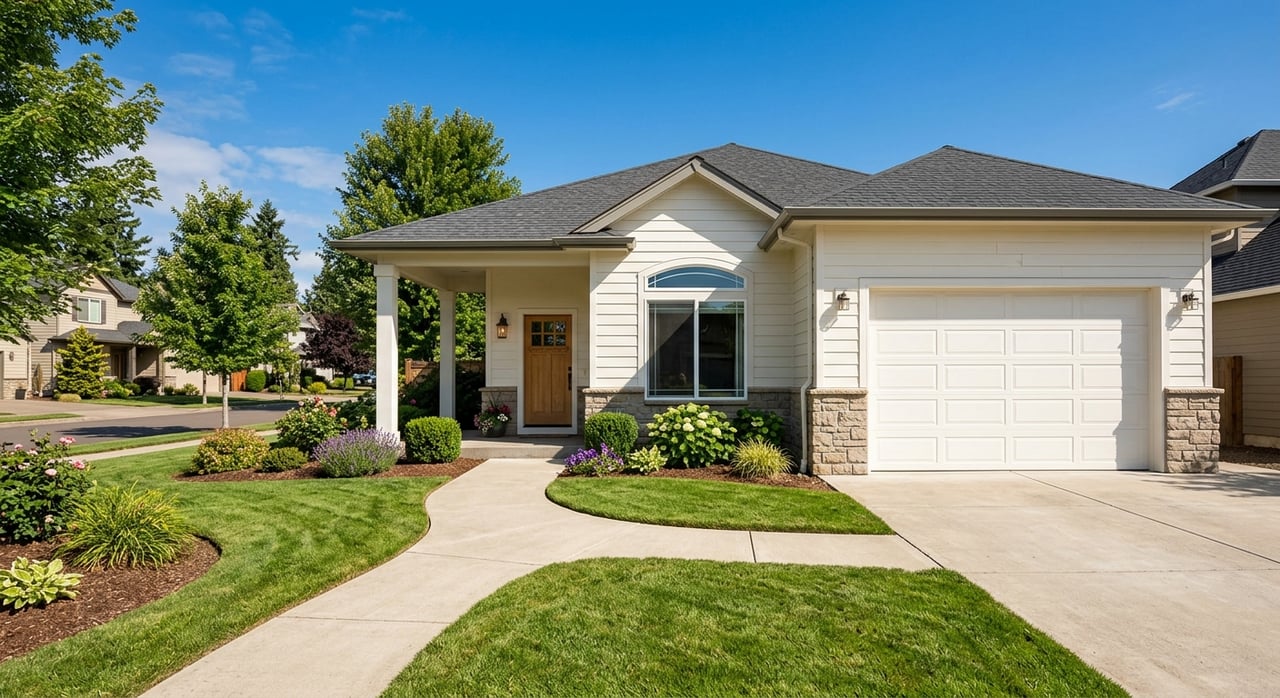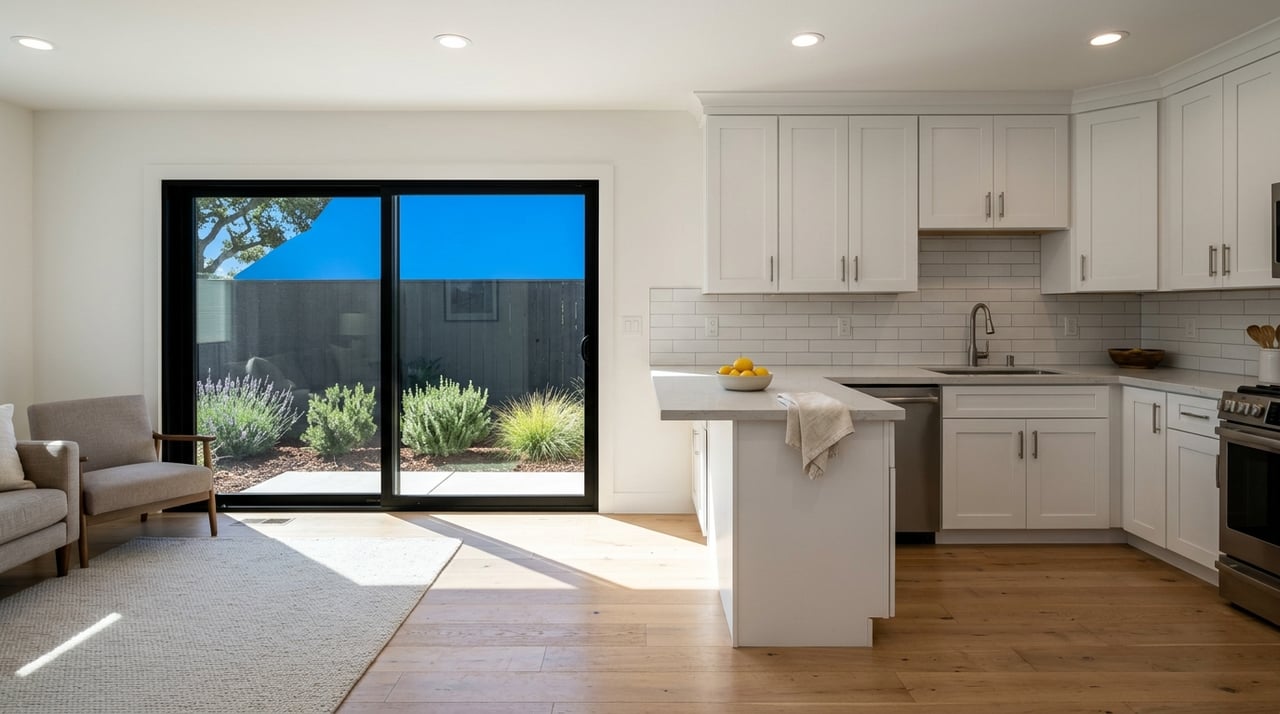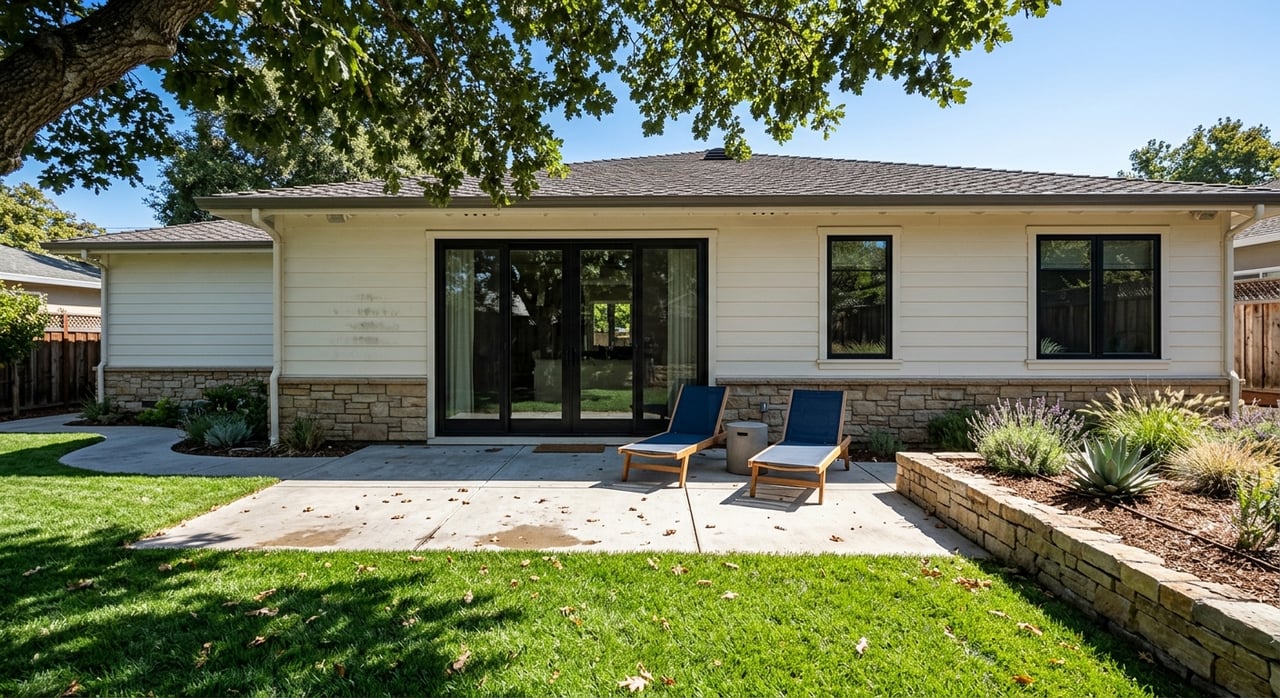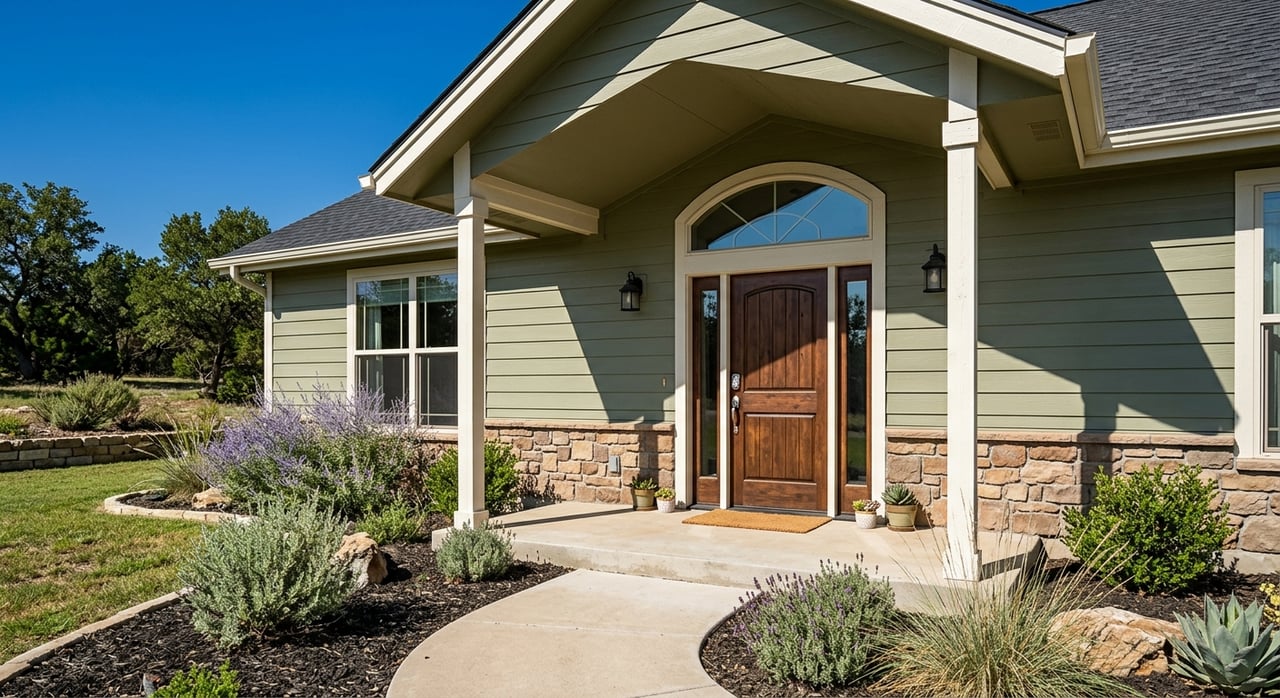
Dreaming about a place in Sonoma where you can slow down for the weekend, enjoy the Plaza, and come back to the same familiar streets season after season? A second home here can be a lifestyle purchase, but it is also a decision with real financing, insurance, upkeep, and local-rule considerations. If you are starting to explore the idea, this guide will help you think through the questions that matter most before you make a move. Let’s dive in.
Why Sonoma appeals to second-home buyers
Sonoma offers more than a pretty setting. The City of Sonoma describes itself as the economic hub for rural Sonoma Valley, and Sonoma Plaza sits at the center of civic life as a designated National Historic Landmark. That mix of daily local activity and destination appeal helps explain why buyers often look here for a home they can use regularly, not just occasionally.
The area also supports a range of second-home lifestyles. Some buyers want to be near the Plaza for easy access to shops, community events, and the seasonal Tuesday farmers market. Others prefer a quieter residential setting or a property farther into the valley where the rhythm may feel more private and seasonal.
Sonoma is also a market where pricing may surprise first-time shoppers. Census QuickFacts for the city show an owner-occupied housing unit rate of 65.0% and a median value of $970,500 for owner-occupied housing units in the 2020 to 2024 period. That does not define every second-home opportunity, but it does set expectations for a market that is both owner-oriented and relatively high cost.
What types of homes you may see
A practical way to think about Sonoma is by use case, not just by square footage. In and around the historic core, you may find older homes with architectural character and proximity to the Plaza. In surrounding residential areas, detached single-family homes may offer a more straightforward ownership experience for part-time use.
Some buyers also consider properties with accessory dwelling unit potential. The city’s housing-policy materials encourage more diverse housing options, but any plans for future use should be confirmed carefully before you buy. In Sonoma, details about the property and its location can shape what is realistic over time.
Historic context matters too. The city’s preservation framework exists to protect Sonoma’s architectural heritage, which is part of the appeal for many buyers. At the same time, homes with historic considerations can come with added review or maintenance questions that are worth understanding early.
How Sonoma’s climate affects ownership
A second home is not just about when you visit. It is also about how the home performs when you are away. Sonoma’s climate has hot, dry summers and wetter winters, which creates a very different maintenance rhythm from one season to the next.
NOAA climate normals for Sonoma show average maximum temperatures around 86°F in July and August. Precipitation is near zero in midsummer, with 0.00 inches in July and 0.06 inches in August, while December averages 5.83 inches and January averages 5.47 inches. Annual precipitation totals 28.35 inches, and snow normals are 0.0 across all months.
For you as an owner, that usually means planning for irrigation and exterior care during the dry season, then shifting to roof, gutter, and drainage checks before and during the rainy months. If you will only use the home part time, you may also want a local system for routine inspections between visits. A second home tends to work best when the maintenance plan is as thoughtful as the purchase plan.
Wildfire readiness should be part of the search
In Sonoma, emergency planning is not something to think about after closing. Sonoma County’s messaging makes clear that wildfire is a real local planning issue, and the City of Sonoma has pre-planned evacuation zones along with SoCoAlert phone, text, and email notifications. The city also encourages residents to know their evacuation zone in advance and offers evacuation tags to help first responders.
If you are comparing homes, this should be part of your decision-making process. A property may fit your budget and lifestyle, but you also want to understand how emergency readiness will work if you are out of town for long stretches. For a second home, practical questions matter: who checks the property, how quickly can issues be addressed, and what preparation is needed before fire season?
This is one area where local guidance really matters. The answer is not only about the house itself, but also about the home’s setting, access, and your ability to manage it from a distance.
Financing: second home or investment property?
This is one of the biggest questions Sonoma buyers ask, and it can affect your loan options right away. Under Fannie Mae’s occupancy rules, a second home must be occupied by the borrower for some portion of the year, must be a one-unit dwelling, must be suitable for year-round occupancy, must remain under the borrower’s exclusive control, and must not be a rental property or timeshare arrangement.
Fannie Mae also notes that a loan-level price adjustment applies to certain second-home loans. In plain terms, that means the home’s classification can affect the cost of financing. It is not enough to assume a property is a second home just because you plan to use it occasionally.
Your intended use matters a lot. If you plan frequent short-term rentals or give a management company control over occupancy, the loan may be treated differently. That is why one of the smartest early questions to ask your lender is simple: Will this property qualify as a second home based on how I plan to use it?
Questions to ask your lender early
Before you get too far into the search, ask your lender to clarify the basics in writing. A little clarity up front can save you time and prevent a mismatch between your goals and the loan structure.
Consider asking:
- Will this home be classified as a second home or an investment property?
- Do I need to occupy the property for part of the year?
- Can occasional rental use affect qualification?
- Can rental income be used to help qualify for the loan?
- What reserve, rate, or pricing differences apply to second-home financing?
The Consumer Financial Protection Bureau’s guidance encourages buyers to compare official loan offers and choose the option that fits. For a Sonoma second home, that comparison should include not only rate and payment, but also how your actual use plan fits the underwriting rules.
Insurance deserves extra attention
Insurance is another area where part-time ownership can get complicated fast. The California Department of Insurance says standard homeowners policies generally do not cover earthquake or flood, and insurers must offer earthquake coverage for an additional premium. If coverage is not available in the traditional market, homeowners may apply for the California FAIR Plan, though FAIR Plan coverage is limited and may require supplemental difference in conditions coverage.
Vacancy is especially important for second-home buyers. The California Department of Insurance homeowner guide says losses to a house vacant for 60 days or more are generally not covered. If you expect the home to sit empty for extended periods, you will want to understand exactly how the policy handles vacancy before you close.
Replacement cost also deserves careful review. The state highlights underinsurance and code-upgrade gaps as recurring problems in wildfire claims, so this is not a place to make assumptions. As you compare policies, focus on replacement-cost adequacy, vacancy provisions, wildfire-related expectations, and whether separate earthquake coverage makes sense for your situation.
Rental plans depend on exact location
Many buyers ask whether they can offset costs by renting out the home occasionally. In Sonoma, that answer depends heavily on whether the property is inside the City of Sonoma or in unincorporated Sonoma County. You should not assume the rules are the same.
Inside the City of Sonoma, new vacation rentals are generally prohibited, with limited exceptions for grandfathered or historic adaptive-reuse situations. The city also imposes a 13% transient occupancy tax and a 2% tourism improvement district assessment on overnight stays.
In unincorporated Sonoma County, Permit Sonoma requires a Transient Vacation Rental permit, a certified property manager, and a vacation-rental license, subject to county-code exceptions. That makes rental use a legal and compliance issue, not just a budgeting question. Before you count on any short-term rental income, confirm the property’s exact jurisdiction and rules.
A smart Sonoma second-home checklist
Before you write an offer, it helps to step back and look at the full picture. A second home should support the way you actually plan to live, visit, and maintain it.
Use this checklist as a starting point:
- Define how often you expect to use the home each year
- Ask your lender how the home will be classified
- Review insurance availability and vacancy terms early
- Check whether earthquake coverage should be added
- Confirm whether the property is in the city or unincorporated county
- Verify any short-term rental rules before assuming income potential
- Ask about evacuation zones and emergency readiness
- Evaluate the home’s upkeep needs during dry and rainy seasons
- Consider whether you need a local contact to monitor the property between visits
- Review any historic-property considerations that may affect changes or maintenance
Why local guidance matters in Sonoma
Second-home decisions often look simple from a distance. Then the real questions show up: city versus county rules, insurance limitations, evacuation planning, upkeep during long absences, and whether the home matches your intended use. In Sonoma, these details can shape your ownership experience just as much as price or style.
That is why a local, relationship-first approach matters. You want someone who can help you connect the dots between the property, the location, and the way you plan to use it. The goal is not just to buy a beautiful home. It is to buy one that works for you with fewer surprises later.
If you are thinking about a second home in Sonoma, a thoughtful strategy can make all the difference. For guidance grounded in local market knowledge and practical next steps, connect with Jennifer Bowes.
FAQs
What makes Sonoma appealing for a second home?
- Sonoma combines a historic civic core, destination appeal, residential neighborhoods, and a lifestyle built around repeat visits, local events, and seasonal use.
What should buyers know about Sonoma second-home financing?
- Lenders may classify the property as a second home or an investment property based on how you plan to use it, so you should confirm occupancy and control requirements early.
What insurance issue matters most for a Sonoma part-time home?
- Vacancy provisions are critical because the California Department of Insurance says losses to a house vacant for 60 days or more are generally not covered.
What are the short-term rental rules for homes in Sonoma?
- Rules vary by jurisdiction, and new vacation rentals are generally prohibited inside the City of Sonoma except for limited exceptions, while unincorporated Sonoma County uses a permit and licensing system.
What climate-related maintenance should buyers expect in Sonoma?
- Sonoma’s hot, dry summers and wetter winters mean you should plan for dry-season irrigation and wildfire readiness, plus rainy-season roof, gutter, and drainage checks.
What emergency planning should second-home buyers consider in Sonoma?
- Buyers should learn the property’s evacuation zone, sign up for SoCoAlert, and have a plan for monitoring and preparing the home when they are away.