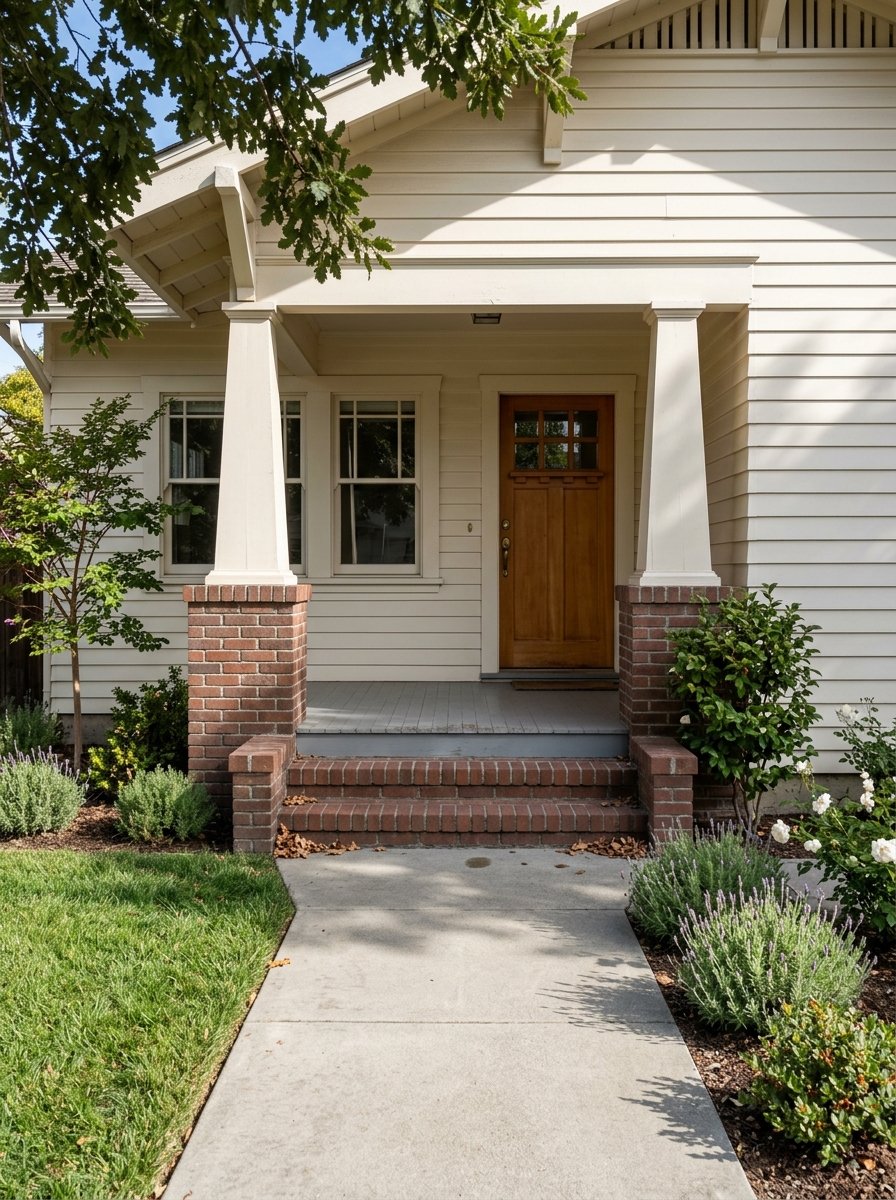
Thinking about buying a historic home in Petaluma? It is easy to fall for the charm of original woodwork, front porches, tall windows, and streets lined with older homes. But if you are serious about buying in one of Petaluma’s older neighborhoods, you also need to understand what comes with that charm, from permit review to renovation limits to older-home inspection issues. This guide will help you know what to look for, what to ask, and how to plan wisely before you buy. Let’s dive in.
What "historic" means in Petaluma
In Petaluma, “historic” can mean more than just an old house with character. The city identifies a nationally registered commercial district, two city-designated local historic districts, and more than 300 surveyed properties with potential historic significance. City materials describe the main residential historic districts as Oakhill-Brewster, northwest of downtown, and A Street, southeast of downtown.
A 2025 planning report also references a small Upham Street district that is subject to the Oakhill-Brewster guidelines. That detail matters because the exact district or property status can affect what you can change later. A home may be a designated historic resource, a contributing property within a district, or simply an older home near historic areas.
Petaluma home styles vary by era
One of the biggest mistakes buyers make is treating all older homes the same. Petaluma’s earlier residential areas west of downtown include Italianate, Carpenter Gothic, Queen Anne, Second Empire, and Victorian cottages. Early twentieth-century building added Craftsman, Spanish Revival, Mediterranean Revival, Tudor Revival, Neoclassical, and Colonial Revival homes.
That means your buying experience can vary a lot from block to block. One home may need specialized exterior repair, while another may need mostly systems updates behind the walls. The style and build period often shape floor plan, materials, maintenance needs, and what kind of remodel will be practical.
Why district status matters
Before you fall in love with a kitchen-remodel vision board, confirm the property’s historic status. In Petaluma, district boundaries and designation status affect review requirements for exterior changes. That can influence your renovation timeline, your budget, and even whether a planned addition makes sense.
If the home is in a historic district or is a designated landmark, the city asks owners to review district guidelines and the Secretary of the Interior’s Standards before starting exterior work. Petaluma states that almost all exterior work requires some level of discretionary review. For many buyers, this is the single most important thing to understand before making an offer.
What changes may need review
Historic-home buyers often assume review only applies to major projects. In Petaluma, exterior work on designated historic resources can trigger city review under local zoning chapters and applicable preservation standards. Even if your plans seem straightforward, the review process may be part of the project.
In general, the preservation framework favors keeping historic character, repairing original materials when possible, and making additions compatible in scale and materials while still distinguishable from the original building. That often makes rear additions, interior reconfiguration, and system upgrades more workable than major changes to the front façade. Still, each project is reviewed locally, so assumptions can be costly.
Demolition rules are broader than many buyers expect
Petaluma’s demolition policy deserves close attention if you are buying an older home. Proposed demolition of any structure built before 1945 is subject to review. The city also notes that demolition can include removing 50% or more of exterior walls, relocating a building, or adding a second story if it is not appropriately differentiated from the original structure.
That means a large remodel can sometimes cross into demolition-review territory even if you never planned to tear the whole house down. If you are buying with major renovation goals, it is smart to investigate this early. It can shape whether the house truly fits your plans.
Inspection issues to take seriously
Older homes can be wonderful to own, but they usually need a more careful inspection strategy. In Petaluma’s older neighborhoods, due diligence should go beyond the standard visual walkthrough. The age of the home can affect paint, plumbing, electrical systems, insulation, and renovation safety.
Lead-based paint in pre-1978 homes
Lead-based paint is one of the first issues to consider in a house built before 1978. Federal law requires sellers and landlords to disclose known lead information, provide available records, give buyers the EPA pamphlet, and allow an opportunity for a lead inspection or risk assessment before you are obligated under contract.
Lead risk often becomes more serious during renovation. Sanding, cutting, window replacement, and similar work can create lead dust and chips. If you are buying an older home with plans to update it soon, lead-safe work practices should be part of your budget from day one.
Older plumbing and possible lead exposure
Plumbing is another key area to review. EPA guidance notes that lead can enter drinking water when lead-containing plumbing corrodes, and lead pipes are more likely in older cities and homes built before 1986. In a practical sense, that makes plumbing review and service-line identification worth adding to your due diligence list.
A beautiful old kitchen or bath does not tell you much about the condition of the supply lines behind the walls. If the home has been updated in phases over many decades, ask for as much information as possible about what was replaced and when.
Asbestos in older materials
Asbestos can show up in older floor tile, pipe wrap, textured finishes, roofing, and insulation materials. The Consumer Product Safety Commission notes that asbestos is not usually hazardous when it is in good condition and left undisturbed. The concern grows when damaged or disturbed material releases fibers.
If you suspect asbestos, testing by a trained professional before renovation is the safer path. This is especially important if you are planning to open walls, remove flooring, or alter old mechanical systems soon after closing.
Aging electrical systems
Electrical capacity is another common hidden cost in older homes. Wiring components wear out over time, and many older homes were not designed for modern appliance loads. Aging or overloaded systems can overheat and create arcs or short circuits.
This is why a licensed electrician’s evaluation can be more useful than a quick visual check, especially in prewar homes or houses that appear to have had piecemeal upgrades over the years. A panel replacement, rewiring, or outlet improvements can become a meaningful budget item.
Energy performance and insulation
Many older homes are less energy efficient than newer construction. The U.S. Department of Energy notes that older homes often have little or no attic insulation, and that air sealing and moisture control matter just as much as adding insulation.
If plaster, siding, or attic areas are opened during remodeling, that may be the best moment to improve insulation to current code levels. For buyers, this means comfort and utility costs should be part of the long-term ownership picture, not just cosmetic appeal.
How to budget for a historic home
A smart budget for a historic home should separate needs into three categories:
- Safety and code items
- Preservation-sensitive work
- Cosmetic upgrades
This approach helps you protect both your cash flow and the home’s character. It also keeps you from spending on finishes too early, only to discover bigger costs in wiring, plumbing, or permit review.
Permits can add time and cost
Petaluma’s permit process is another reason to plan carefully. The city requires applications, fees, and often plans for most construction work. Some permits may be handled over the counter, but many can take weeks or months.
Permit fees are cost-recovery based and may be flat or valuation-based. For buyers, that means your remodel budget should include not only construction costs but also permitting time, application costs, and possible consultant fees.
Research older records before remodeling
In older homes, paperwork matters. Petaluma says permit records before 2002 may take two to four weeks to retrieve, and older building documents may require a public records request. In some cases, especially in historic districts, the city may also require a historic resource evaluation by a qualified consultant before processing a proposal.
This is one reason historic-home buyers benefit from doing homework early. If you are trying to confirm whether past work was permitted or whether a future project is likely to be supported, old records can be very helpful.
Plan for preservation-minded decisions
A realistic renovation budget should also leave room for doing things the right way. That can include lead-safe work practices for pre-1978 paint, asbestos testing before disturbing suspect materials, and design choices that focus on compatibility rather than wholesale replacement.
In historic homes, the cheapest option upfront is not always the best option long term. Repairing original elements where practical and planning thoughtful updates can help you stay aligned with the city’s review framework while preserving the home’s value and character.
Do not assume tax benefits apply
Some buyers hear about the Mills Act and assume every historic home comes with a property tax advantage. In California, a historical property contract can stay with the property and bind future owners, but participation depends on the local government and the specific parcel.
In other words, do not build your budget around a tax benefit unless you have confirmed the property’s actual status. This is a detail worth checking early in escrow if it affects affordability.
A practical checklist before you buy
If you are considering a historic home in Petaluma, focus on these questions before moving forward:
- Is the home in a historic district, and if so, which one?
- Is it a designated landmark, a contributing resource, or simply an older home nearby?
- What exterior changes have been made, and were they permitted?
- Are there available permit records, plans, or historic evaluations?
- Has the home been tested or evaluated for lead-based paint, asbestos, plumbing concerns, or electrical issues?
- What renovations are you hoping to make, and are they likely to trigger local review?
- Do your budget and timeline include permits, consultants, and preservation-sensitive work?
These questions can save you from expensive surprises. They can also help you choose a house that fits your goals instead of forcing your goals onto the wrong property.
Buying a historic home in Petaluma can be deeply rewarding. You may get architectural detail, a strong sense of place, and a home with real personality. The key is going in with clear eyes, a thoughtful inspection plan, and a realistic understanding of what ownership and renovation may involve.
If you want help evaluating older homes in Petaluma and understanding how property condition, neighborhood context, and renovation goals fit together, connect with Jennifer Bowes. You will get clear guidance, responsive support, and a practical strategy for buying with confidence.
FAQs
What should buyers know about historic districts in Petaluma?
- Buyers should know that district boundaries and property designation status can affect what exterior work requires review, so it is important to confirm whether a home is in Oakhill-Brewster, A Street, or another regulated historic area.
What renovation work may need review on a historic home in Petaluma?
- In Petaluma, almost all exterior work on designated historic resources may require some level of discretionary review, and larger projects may also trigger demolition review if they affect enough of the original structure.
What inspection concerns are common in Petaluma’s older homes?
- Common concerns include lead-based paint, older plumbing, asbestos in older materials, aging electrical systems, and weak insulation or air sealing compared with newer homes.
What should buyers budget for when purchasing a historic home in Petaluma?
- Buyers should budget for safety and code items, preservation-sensitive repairs, cosmetic updates, permit fees, plan preparation, possible consultant work, and time for city review.
Can a Petaluma historic home come with tax benefits?
- Some properties may be tied to a Mills Act or historical property contract, but buyers should verify the specific parcel and local program status rather than assume a tax benefit exists.